About
Guardians of Tradition
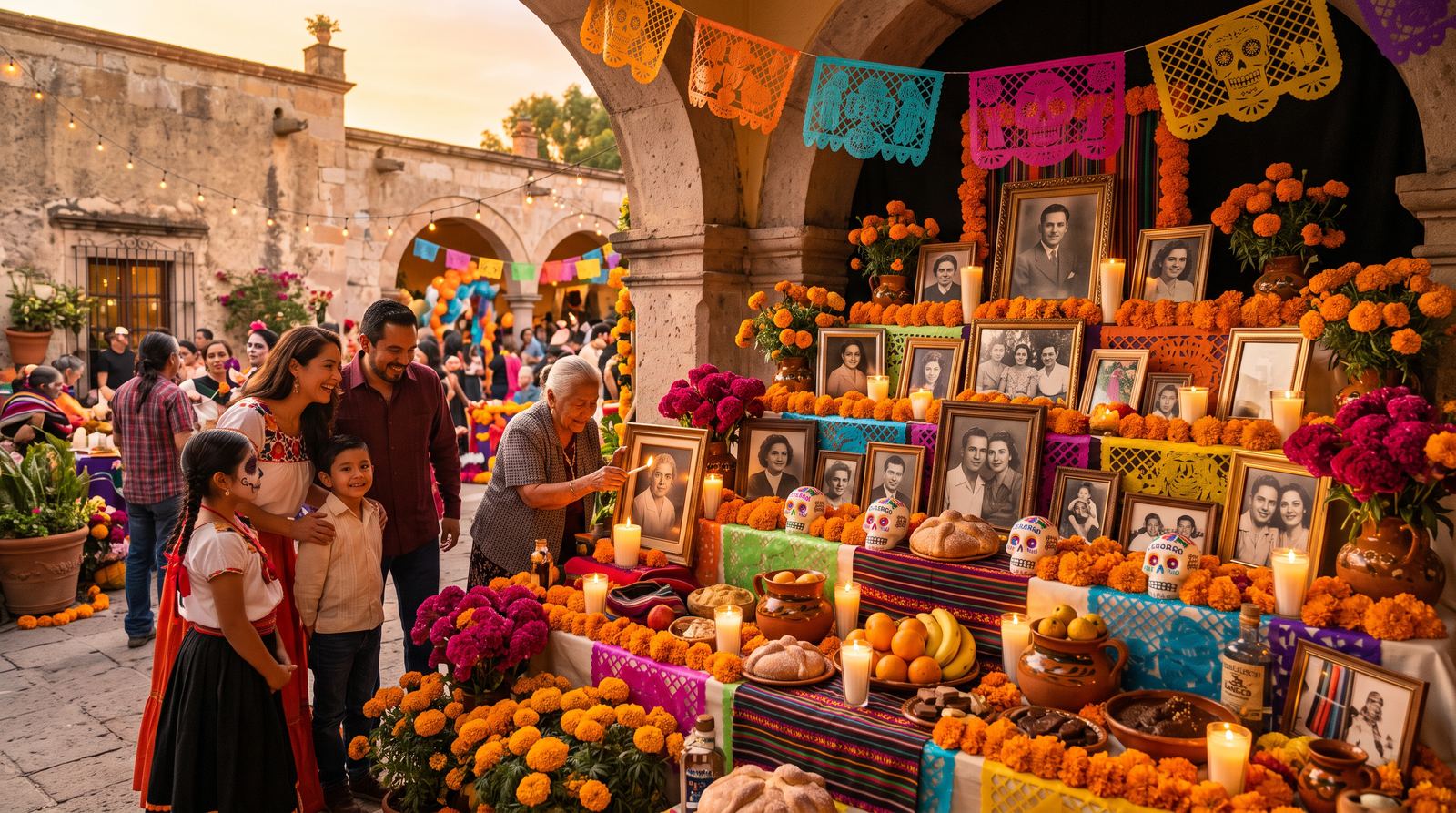
Day of the Dead began thousands of years ago with the Indigenous cultures of Mexico, who understood death not as an end, but as a natural continuation of life. Rooted in the Mexica worldview, life and death are part of a continuous journey in which the departed are never truly gone. They remain part of the community, connected to us through memory, love, and spirit.
Over time, these traditions evolved and became aligned with the Catholic calendar, and are now observed from late October through November 2. Each day carries its own meaning, honouring children, adults, ancestors, and those whose stories might otherwise be forgotten.
At its heart, Day of the Dead reflects a profound belief: maintaining a relationship with those who have passed is an essential part of life itself. During these sacred days, the departed return to be welcomed with love, offerings, music, colour, food, and celebration.
Today, this living tradition blends its Indigenous roots with later cultural influences and is recognized by UNESCO as part of the Intangible Cultural Heritage of Humanity.
Across Mexico, and now here in Toronto, we proudly carry this tradition forward. We are proud Guardians of Tradition, honoured and delighted to share this ancestral celebration in the heart of Toronto. Through art, music, storytelling, food, altars, and community, we bring people together to honour those who came before us, remember their stories, and celebrate life across generations and borders.
Come aboard and become part of this living tradition.
Vendors, volunteers, artists, cultural organizations, and community partners are welcome. Learn how to participate.
Symbols & Meaning
Every symbol carries a meaning
Calaveras: playful symbols of life and death
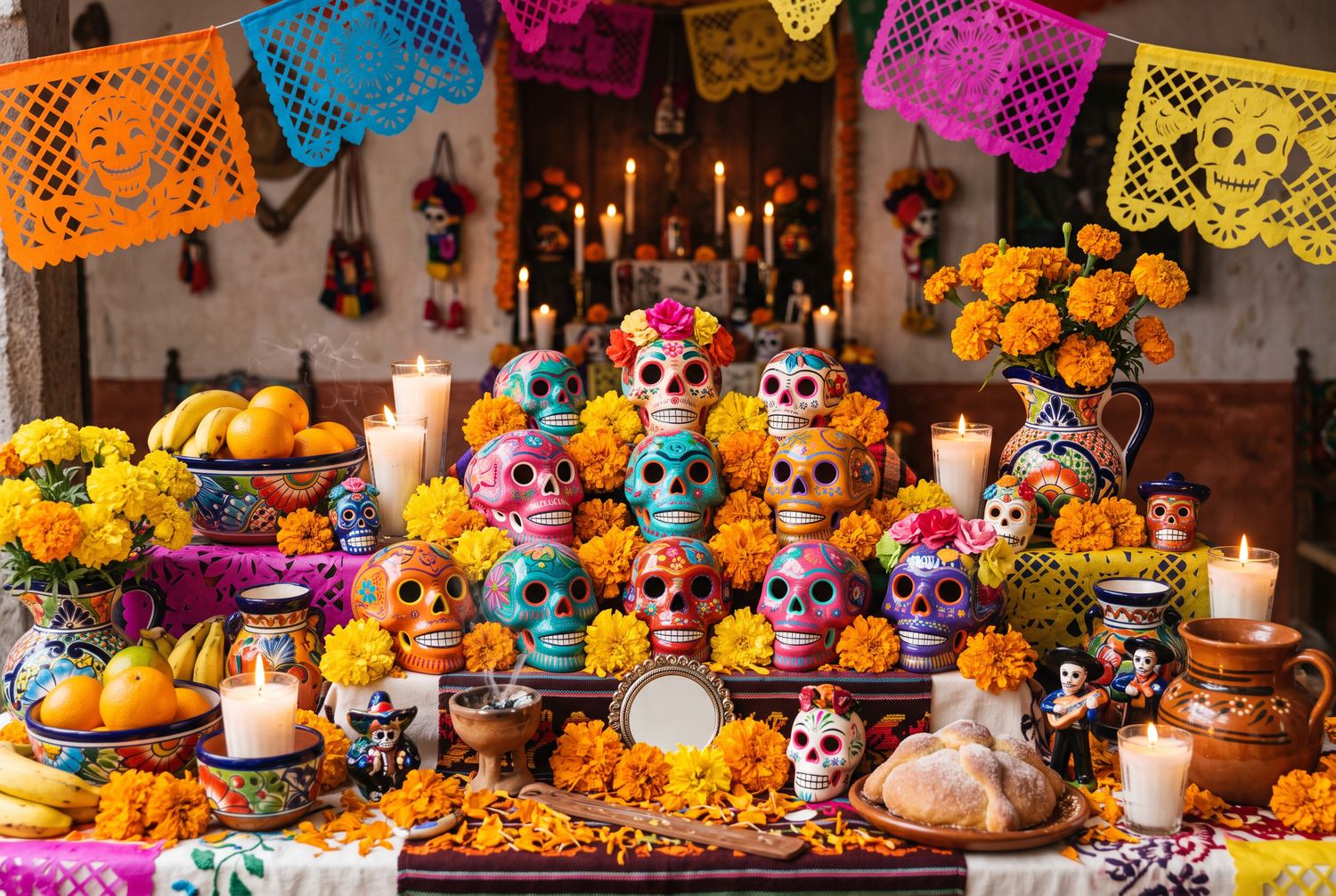
Calavera means “skull,” but in Mexican culture it carries far more than a literal meaning.
In the 18th and 19th centuries, calaveras were short, witty poems, often playful or satirical, that reflected on life and death with humor and honesty. Today, that spirit lives on through storytelling, art, and celebration, reminding us not to fear death, but to embrace it as part of life.
And yes, we even celebrate by enjoying a sugar or chocolate skull, sometimes with our own name on it.
La Catrina: an icon of Day of the Dead
One of the most iconic figures of Day of the Dead is La Catrina.
Originally created by artist José Guadalupe Posada as a social commentary, she was later reimagined by Diego Rivera as an elegant skeleton representing both identity and equality.
“We are all the same beneath it all.”
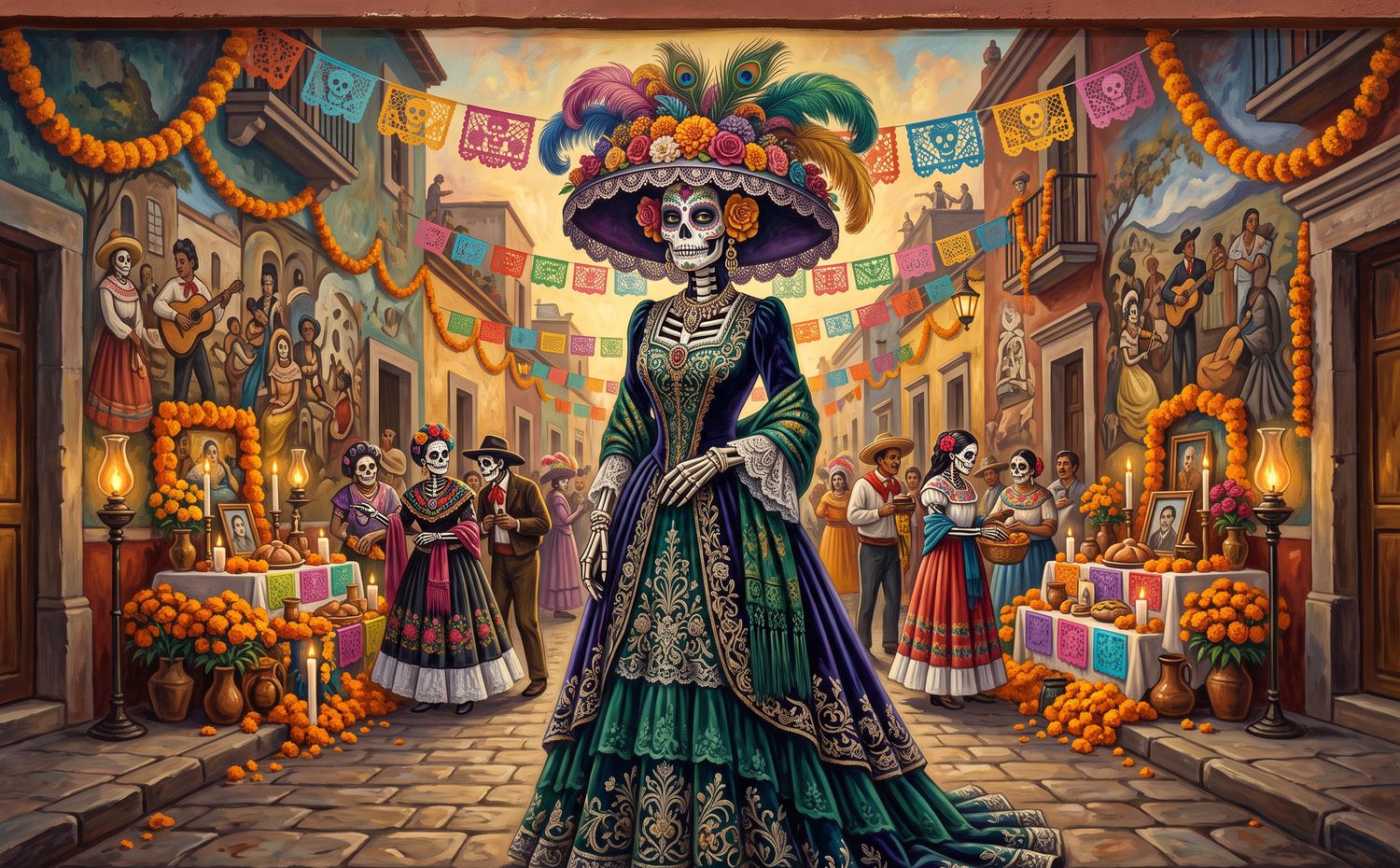
Original illustration, not a Diego Rivera work.
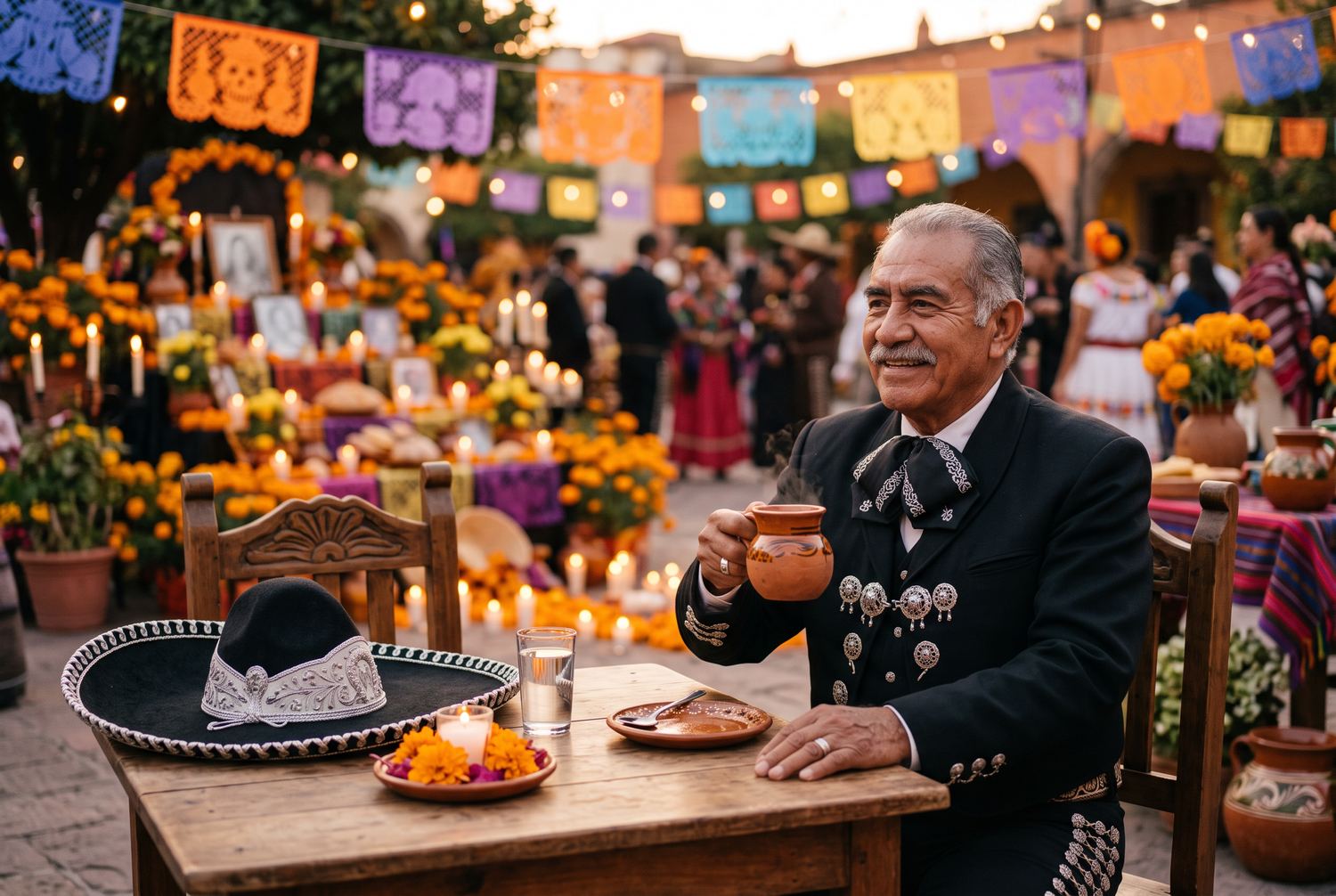
Feeding tradition
Day of the Dead is also a sensory experience, filled with flavours, aromas, and traditions passed down through generations. Families prepare offerings for their loved ones, including:
Pan de muerto, a sweet bread symbolizing the cycle of life
Sugar skulls, colourful and joyful representations of those remembered
Traditional drinks like atole, hot chocolate, and pulque
These are not just foods. They are acts of remembrance.
Nourishing memory and spirit
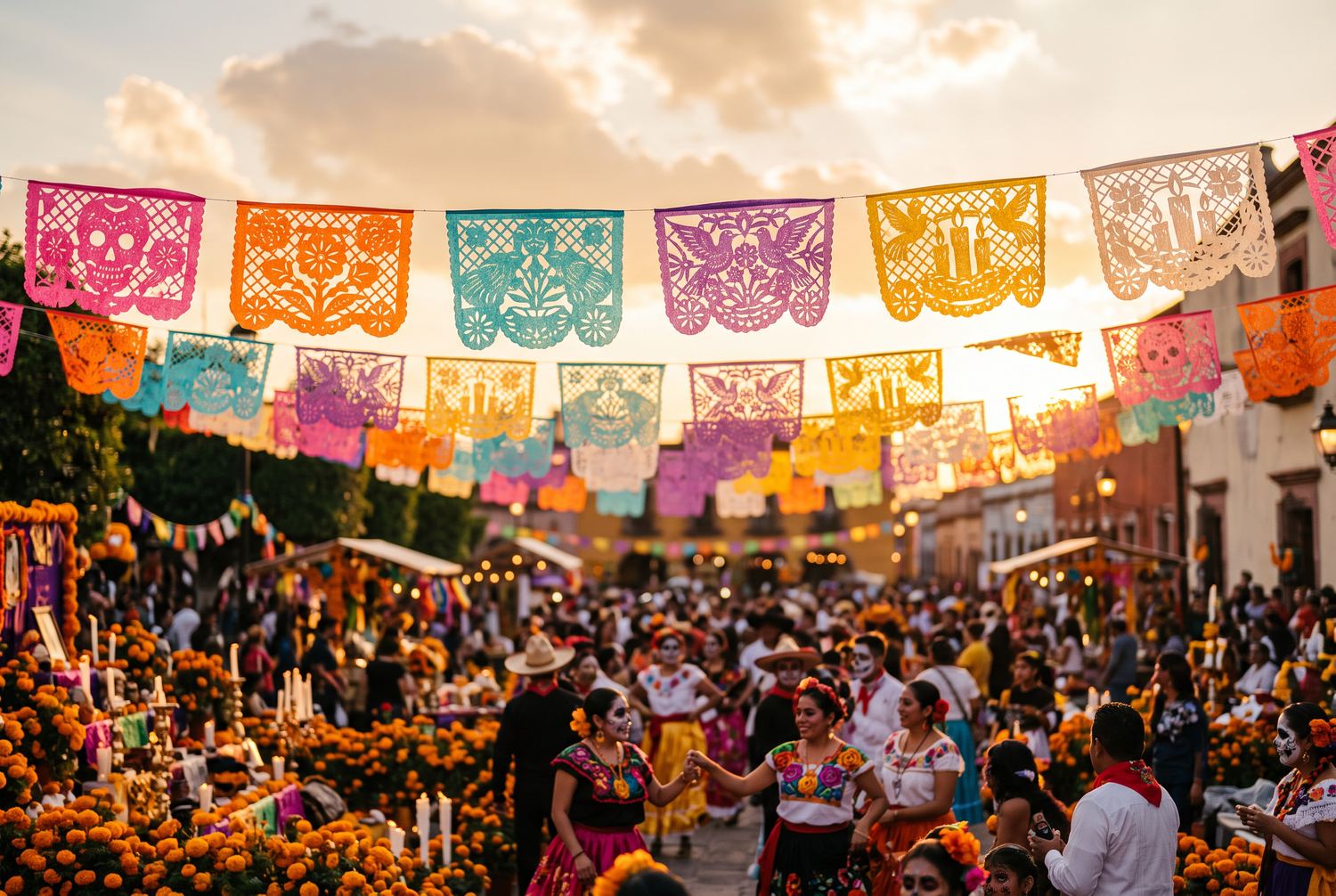
Papel picado: the breath of life
Delicate, colourful, and full of movement, papel picado decorates altars and streets during Day of the Dead.
Its intricate cut patterns represent the wind, a reminder of life's fragility and the invisible presence of those we honour.
Papel picado: as ephemeral as life, as present as memory
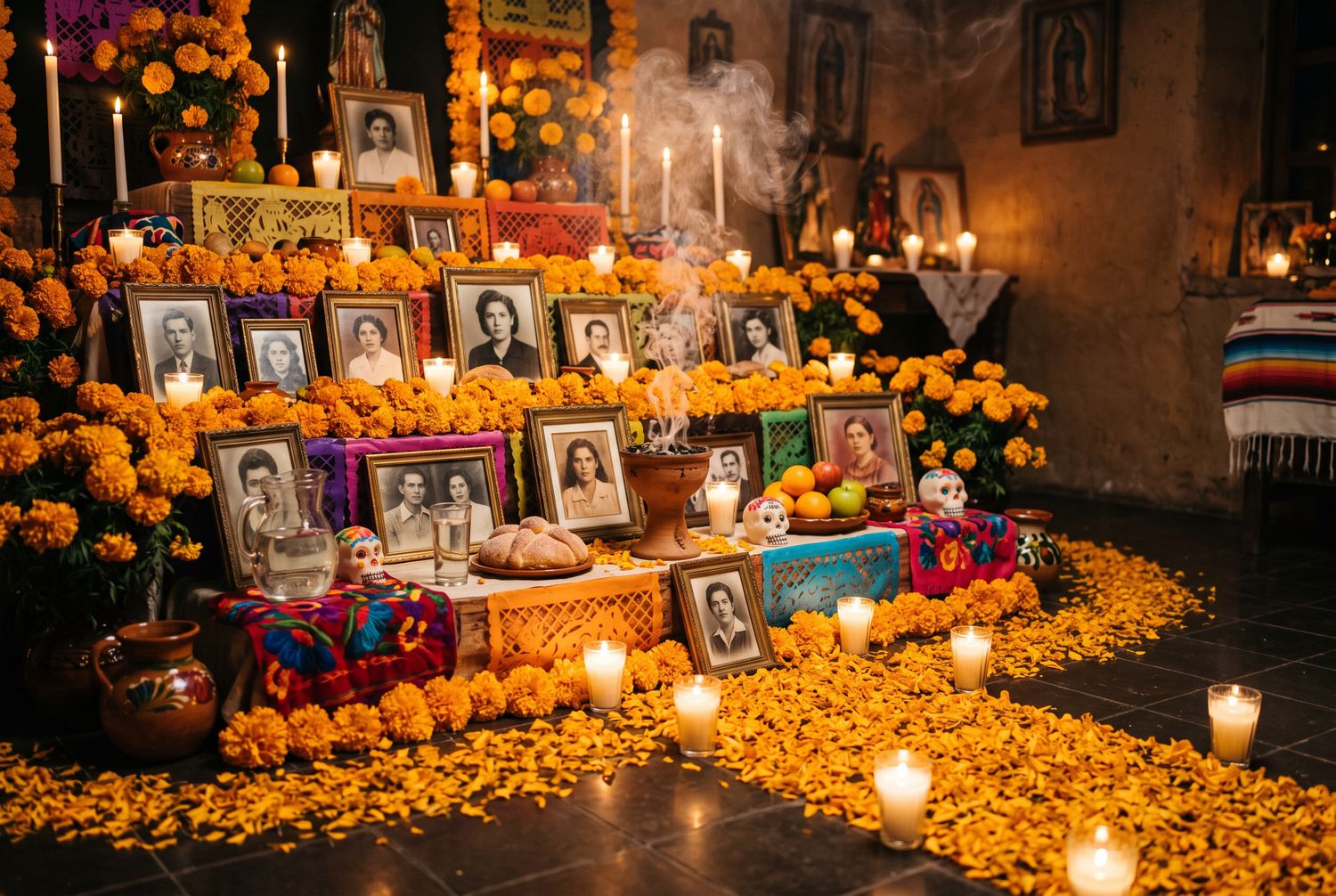
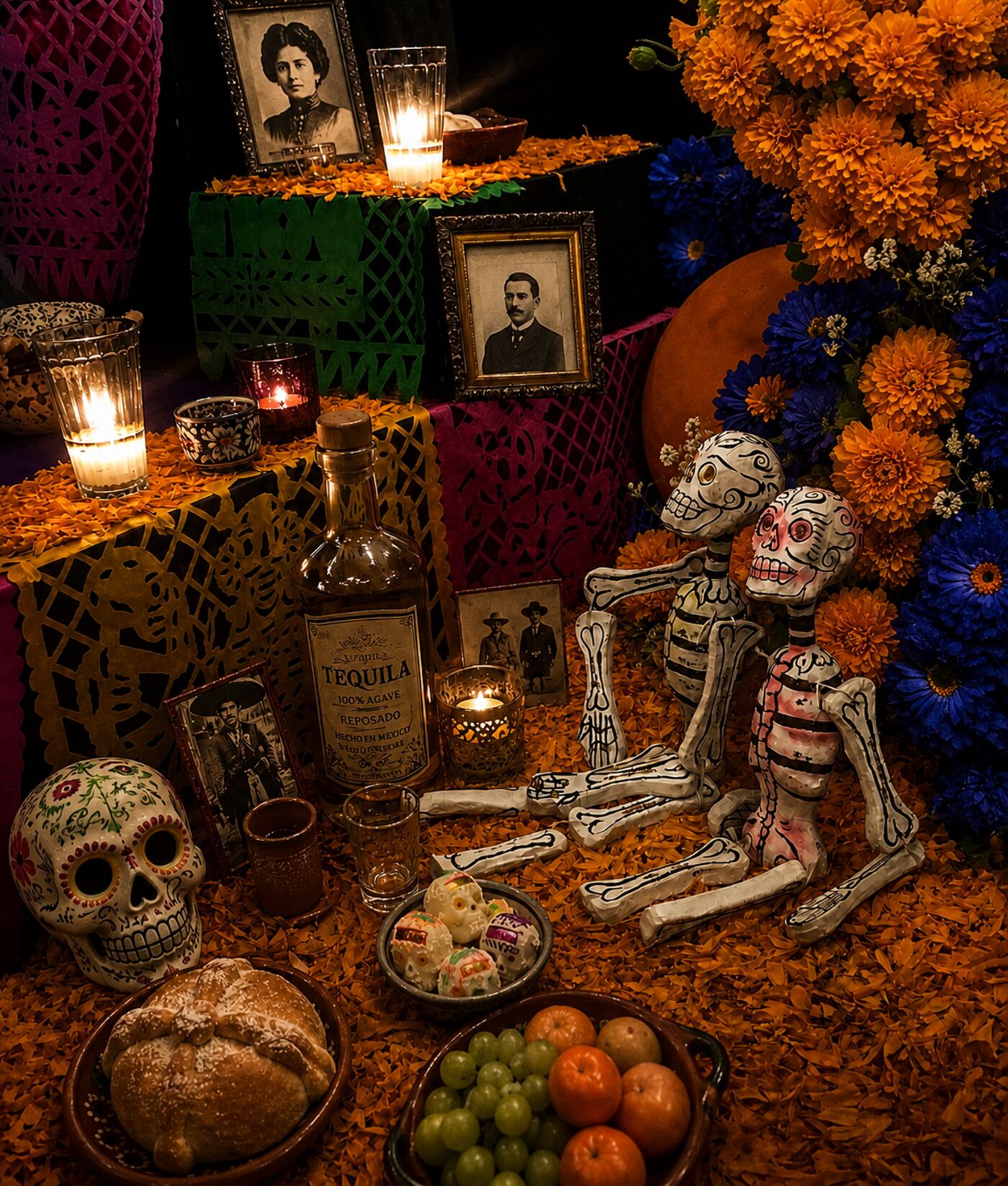
Cempasúchitl, photographs, and copal: guiding the way
At the heart of every ofrenda, these elements come together to guide, remember, and connect.
Cempasúchitl, the “flower of the dead,” lights the path with its vibrant colour and scent, leading spirits back home. Photographs hold the presence of those we honour, keeping their memory alive and inviting them to return, if only for a moment. Copal, a sacred incense, rises in delicate smoke, cleansing the space, carrying prayers, and bridging the world of the living with that of the remembered.
Together, they create a path of memory, love, and connection that transcends time.